
Cold email segmentation is where most outbound programs quietly leak results, not because the idea is wrong, but because the lists are dead the moment you build them. You export a slice of your CRM, drop it into a campaign, and the world keeps moving: the VP you targeted changes jobs, the email bounces, the prospect replies and asks you to stop. Your static list has no idea. This is the exact problem SpamCipher is built to end. We are the cold email platform for unlimited, fully automated cold email, and we are the only platform that can promise you 90%+ inbox placement, because we measure real placement with seed accounts, warm on our own network, and defend your reputation automatically. Living Segments are the piece that keeps your audiences honest: self-updating audiences that maintain themselves, so leads enter and exit your campaigns in real time and you never rebuild a list by hand again.
Why static lists rot
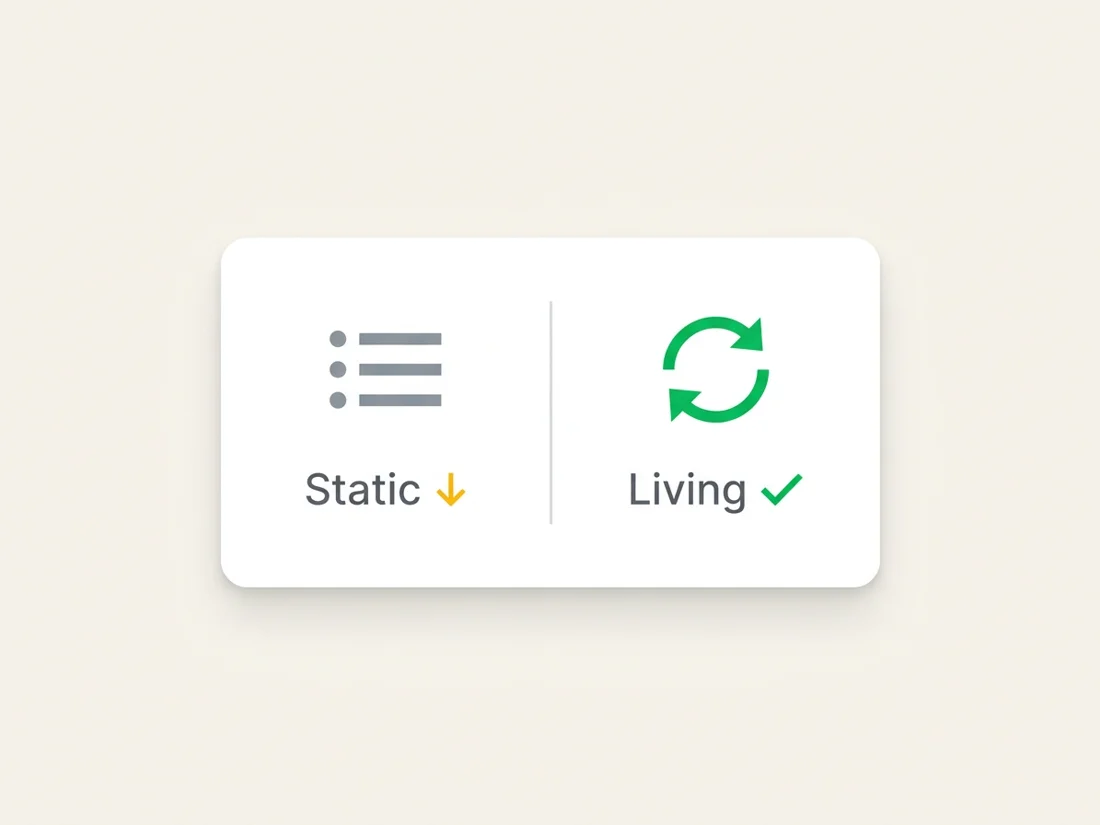
A static list is a photograph. It captures who qualified at one instant and then freezes them there while reality drifts. In B2B, that drift is fast: roughly a quarter of business contact data decays every year as people change roles, companies rebrand, and mailboxes get deprovisioned. The list you exported in January is a meaningfully different list by March, and nothing in your campaign tool tells you which rows went stale.
The damage is not just wasted sends. Every dead address you keep mailing is a bounce, and bounces are a reputation signal that mailbox providers watch closely. Every prospect who no longer fits your offer but still sits on the list is a complaint waiting to happen. Static segmentation forces a brutal trade: either you re-export and re-clean constantly (expensive, error-prone, always behind), or you let the rot accumulate until a bounce spike or complaint cluster drags a sending domain down. Neither is a strategy. It is just maintenance debt you pay in deliverability.
The root problem is that traditional lead segmentation treats a segment as an output, a one-time query you run and then forget. The segment should be the opposite: a standing definition of who you want to reach that the system keeps true on your behalf. That is the shift Living Segments make.
What a Living Segment is
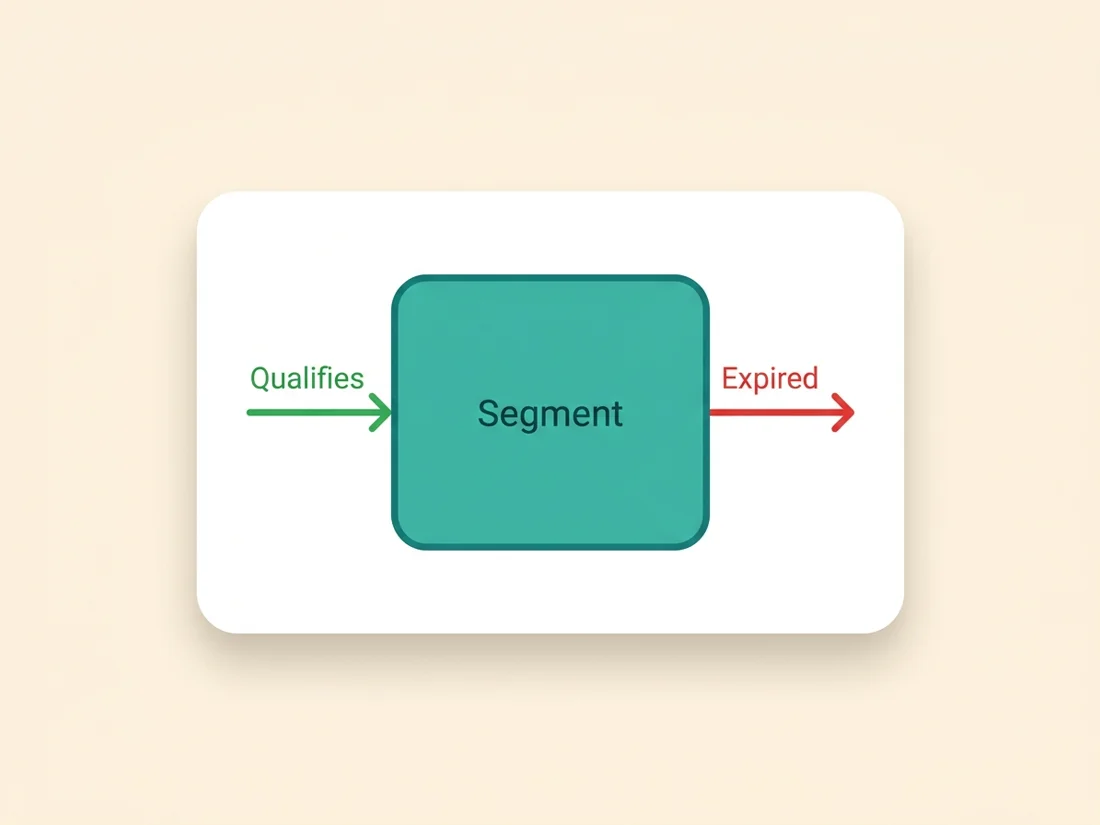
A Living Segment is not a list. It is a rule. Instead of freezing a set of contacts, you define the conditions that make someone worth reaching, and the segment engine continuously re-evaluates every lead against those conditions. When a lead starts matching, it auto-enters. When it stops matching, it auto-exits. Membership is always a live answer to the question "who qualifies right now," not a stale snapshot of who qualified once.
The conditions can combine four kinds of signal:
- Firmographics: industry, company size, region, funding stage, tech stack, and other company-level attributes that define your ideal customer profile.
- Behavior: what the lead has done, opened a prior thread, clicked, visited a page, replied, or gone quiet for 30 days. This is behavioral segmentation, and it is where intent lives.
- Engagement: how the relationship is trending, from warm and responsive to cold and disengaged, so you can escalate the interested and rest the unresponsive.
- Verification status: whether the work email is currently valid, risky, or dead. This is the deliverability guardrail, and it is the one static lists never carry.
In SpamCipher a segment draws from your CRM contacts, from our proprietary B2B lead corpus (the Super Search data moat), or from a mix of both. A CRM-sourced segment re-evaluates in real time as contact data changes; a corpus-sourced segment is re-scored on a continuous sweep and materialized into your CRM when leads qualify. Either way the definition lives once and the membership takes care of itself. That is what "self-updating audiences" means in practice: you author intent, the engine maintains reality.
Cold email segmentation that updates itself
Here is where cold email segmentation stops being a chore and becomes infrastructure. Because a Living Segment re-evaluates on every relevant change, contacts flow into and out of your campaigns and automations without a single manual rebuild. Picture a segment defined as "VP or above, SaaS, United States, valid work email, no reply in the last 30 days." The moment a lead matches all of those, they enter. The moment any one stops being true, they leave.
Watch how that plays out on real events:
- A prospect at a target account gets a valid email discovered and verified, they auto-enter the segment and your enrollment automation picks them up.
- That same prospect replies to your first message, they immediately auto-exit the "no reply in 30 days" segment, so your follow-up sequence stops mailing someone who already answered.
- A contact's email starts bouncing or flips to risky on re-verification, they drop out of every sendable segment before they can cost you another bounce.
- A lead changes title out of your ICP, they exit the firmographic segment and simply stop receiving mail meant for decision-makers.
None of that requires you to touch a spreadsheet. This is the difference between automated cold email that is really just scheduled blasting and true automation where the audience itself is alive. It is also why a clean, current list stops being a periodic project and becomes a permanent state, the natural extension of building a clean email list the right way. You define quality once, and the segment enforces it forever.
Segments that trigger automations
A self-maintaining audience is useful on its own, but it gets powerful when the segment boundary becomes an event. In SpamCipher, entering or exiting a Living Segment emits a signal your automations can listen for. Two triggers do most of the work: segment entered and segment exited. Bind a flow to one of them and the audience drives the automation instead of the other way around.
The pattern is simple and it reads like plain intent:
- On enter: "When a lead enters 'Hot ICP, clean email,' reveal the contact, add them to the campaign, and start the sequence." New qualifiers get worked the instant they qualify, not whenever you next remember to export.
- On exit: "When a lead exits the segment, stop the in-flight sequence and suppress further sends." Continuous enrollment means an exit cancels runs already in progress, so a prospect who replies or goes stale is not chased by yesterday's automation.
You can also use a segment as a condition or an action target inside a larger flow, "only continue if the contact is still in segment X," or "add everyone in segment Y to list Z." Combined with an AI reply agent that reads responses and decides what to do next, the segment becomes the top of a fully hands-off loop: qualify, enroll, send, read the reply, act, and exit, all without a person staging the list. That is the shape of a pipeline you actually own, which we make the full case for in own your cold email pipeline.
Cold email segmentation that protects deliverability
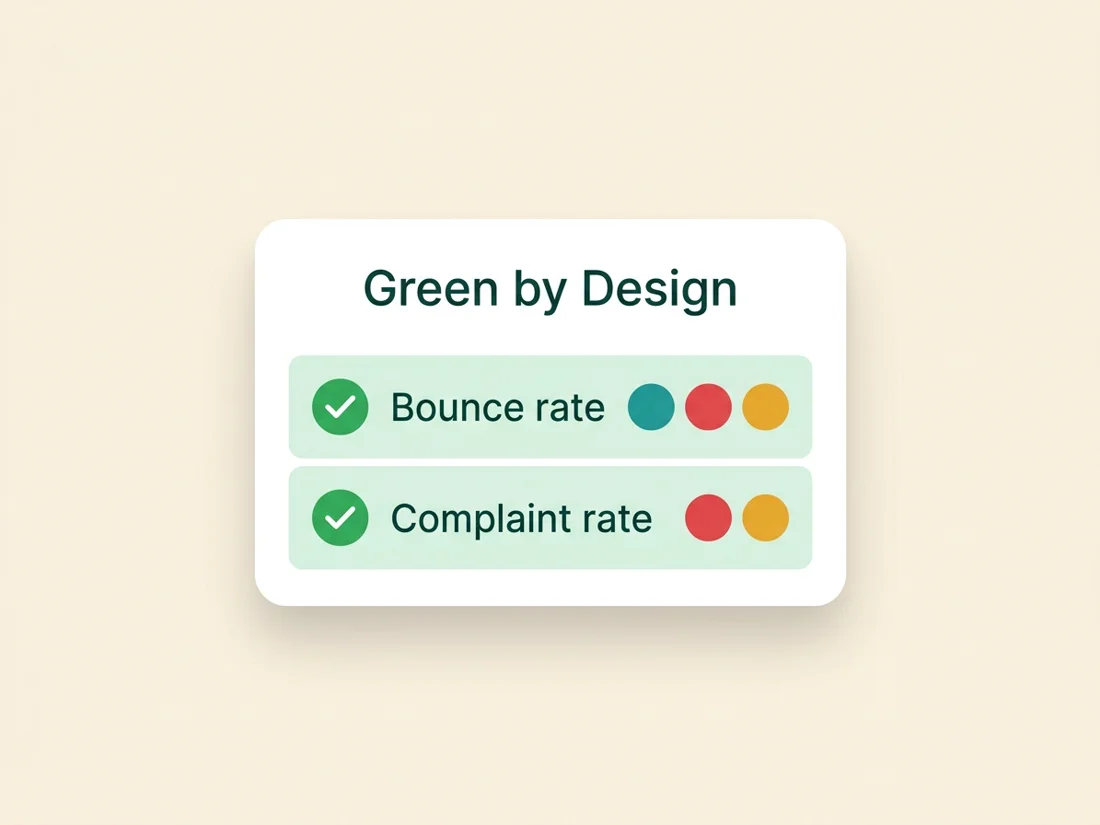
This is the part that matters most, and it is why segmentation belongs in a deliverability conversation at all. Cold email segmentation is not only a targeting tool. Done with Living Segments, it is a reputation defense. Every segment carries verification and engagement status as first-class conditions, which means the unengaged and the risky are segmented out automatically, before they ever touch your sending reputation.
Think about the two failure modes that kill cold domains. Bounces come from mailing dead addresses; complaints come from mailing people who do not want to hear from you. A Living Segment attacks both at the source. A recipient whose email fails re-verification exits the sendable audience, so your bounce rate trends toward the near-zero that keeps you under the 2% ceiling providers watch. A recipient who disengages or asks out exits the campaign, so you stay well under the 0.3% complaint threshold that Gmail and the other providers enforce. You are not cleaning up after damage; you are preventing the send that would have caused it.
The other half is upside. When the risky and the indifferent are continuously pruned, what remains is a tightly targeted, genuinely qualified audience, and tight targeting is the single biggest lever on reply rate. You are mailing fewer people who matter more, which is exactly the profile that lands in the inbox and gets answered. That is the compounding logic behind our 90% promise: seed-measured placement and an owned warm-up network get your mail to the inbox, and Living Segments make sure you only ever send to people worth reaching. If you want the end-to-end sending workflow that this segmentation feeds, our how to send cold email guide walks the whole sequence, and the email validation engine is what keeps every segment's verification status current.
Audiences that maintain themselves, deliverability that holds
Define who you want to reach once and let Living Segments keep the audience current: qualified leads auto-enroll, risky ones auto-exit, and your reputation stays protected while you send unlimited, fully automated cold email at 90%+ inbox placement.
Build your first Living Segment