
An email finder is only as good as the addresses it hands you, and most of them hand you guesses. SpamCipher is the cold email platform for unlimited, fully automated cold email, and the only platform that can promise you 90%+ inbox placement. That promise starts long before you hit send: it starts with the list. A good email finder does not just pattern-match first.last@company.com and hope. It finds the right business contact, then runs every address through 19-point verification before it ever reaches your sequence. The result is a list of people who actually exist at addresses that actually accept mail, and that single discipline is what keeps your bounce rate under 2% and protects the sender reputation you spent weeks warming.
Why most lead lists are full of guesses
Open almost any purchased lead list, or the export from a cheap scraping tool, and you are looking at a pile of educated guesses. The tool knew the person's name and their company domain, so it assembled the most statistically likely address: jane.doe@acme.com. Sometimes that is right. Often it is not. The person might be jdoe@, or jane@, or they left the company eight months ago, or the mailbox never existed at all.
This is the quiet failure mode of lead generation. The list looks complete. Every row has a name, a title, a company, and an email. It feels like data. But a large share of those addresses are unconfirmed permutations, and you will not find out which ones until the bounces come rolling in, by which point the damage to your sending reputation is already done.
The uncomfortable truth is that B2B contact data decays fast. People change jobs, companies rename domains, and mailboxes get retired. A list that was accurate six months ago is measurably worse today. So even a list that was properly verified at capture drifts toward guesswork over time unless something keeps re-checking it. An email finder that never verifies in the first place gives you a list that was never accurate to begin with.
How an email finder should actually work
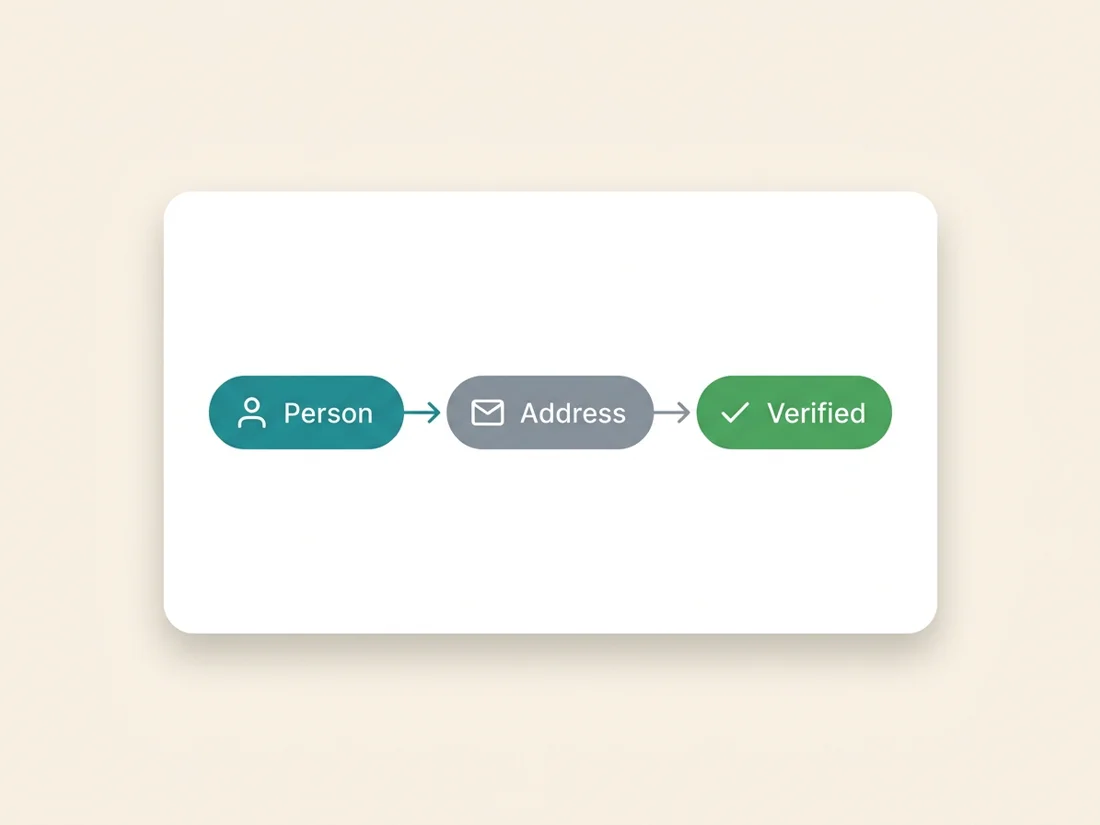
The core mistake is treating an email finder as an address generator. It should be an identity engine first and an address engine second. The right order is: find the person, then find the address, then prove the address.
Identity first. A good finder builds around a canonical person, the real human at a real company, before it worries about email at all. In SpamCipher's lead corpus the person record is deliberately email-optional: it can hold "VP of Engineering at Acme, verified role, no email yet" as a first-class, trustworthy record, and resolve the address on demand. That sounds like a small distinction, but it is the whole game. When identity is the anchor, the email is a verified attribute of a known person, not a lucky string that happens to parse.
Address discovery second. Once the person is anchored, the finder works a waterfall to locate the actual address: it checks a per-domain pattern cache built from addresses it has already confirmed at that company, infers and permutes candidates weighted by company size and convention, and falls back to specialist discovery sources only when the cheaper steps miss. Discovery is not one lookup; it is an ordered sequence that stops the moment it has a confirmed hit.
Verification last, and non-negotiable. Every address the finder returns or constructs is then put through verification before it counts as a lead. That is the step the cheap tools skip, and it is the step that decides whether you are building a list or a liability.
Verified leads vs pattern guesses
Here is the difference that matters, stated plainly. A pattern guess is an address that looks plausible. A verified lead is an address that a mail server has effectively confirmed will accept mail. Those are not close. They are different categories of thing.
SpamCipher runs every candidate through 19-point verification: syntax against the RFC rules, domain and MX record checks to confirm the domain can even receive mail, a live SMTP conversation to the receiving server to confirm the specific mailbox exists, plus disposable-domain detection, role-account flagging (the info@ and sales@ addresses you usually want to exclude), and catch-all resolution. Each address comes out classified: valid, risky, invalid, or unknown. Only the clean, confirmed addresses graduate into your list. The rest are held back or flagged, not silently sent.
That classification is honest about its limits, too, which matters more than it sounds. Some large providers answer "yes" to every mailbox as an anti-harvesting measure, so a catch-all domain cannot be confirmed by SMTP alone. A serious finder surfaces that as a confidence signal, a risky tier routed to a safer sending lane, rather than pretending a guess is a fact. That is the line between verified email for cold email and wishful thinking.
The practical payoff of building an email finder on top of verified B2B leads is that "found" and "usable" become the same thing. You are not exporting 5,000 rows and hoping 70% land. You are exporting the addresses that passed, which is why a verified email list behaves so differently the moment you start sending.
Why an unverified email finder wrecks deliverability
This is where an unverified email finder stops being merely useless and starts being actively expensive. Cold email deliverability is governed by your sender reputation, and nothing damages reputation faster than sending to addresses that do not exist.
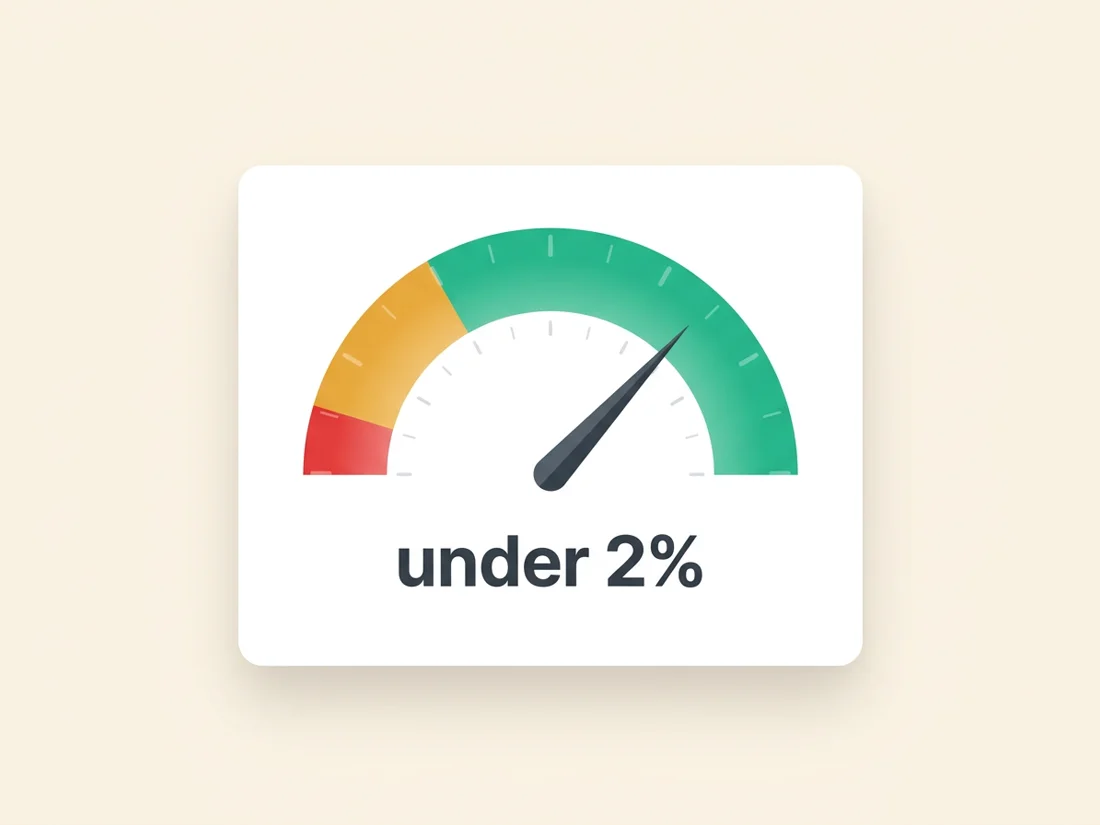
When you mail a dead address, the receiving server returns a hard bounce. A few of those are normal. A lot of them tell every major mailbox provider the same story: this sender does not know who they are mailing, which is the exact behavior signature of a spammer working a scraped list. Google, Microsoft, and Yahoo all watch bounce rate as a core trust signal, and the published bulk-sender guidance is explicit that you must keep it low. The working threshold is a bounce rate under 2%. Cross it and your inbox placement starts sliding, not just for the bad addresses but for your good ones too.
It gets worse than bounces. Recycled and pristine spam traps hide inside unverified lists specifically to catch senders who mail without permission or verification. Hit one and you can land on a blacklist, torching every domain and mailbox you send from. You cannot warm your way out of that quickly; it undoes weeks of careful ramp-up in a single send. We go deeper on the trap-and-bounce mechanics in our guide to cleaning your email list the right way.
So the case for verification is not fussiness. It is the difference between a list that protects your reputation and a list that spends it. An email finder that verifies at capture keeps you under that 2% bounce ceiling by construction, because the dead addresses never make it into the send in the first place.
From found lead to first email
The reason to build the finder and the sender on one platform is that verified lead generation should flow straight into sending without a lossy export step in the middle. When they live apart, you find leads in one tool, dump a CSV, re-import somewhere else, and lose the provenance, the last-verified date, and the confidence score along the way. When they live together, the pipeline stays intact from found lead to first email.
In SpamCipher the path is direct: the email finder resolves and verifies a contact, you save the verified lead into your CRM with its verification status attached, and it drops into a sequence that is already sending from warmed domains with authentication in place. Because the address was proven at capture, the send starts clean. No bounce spike on day one, no reputation dip while you find out the hard way which rows were guesses. If you want the full sending playbook that this list feeds into, our guide on how to send cold email walks the whole loop, and the broader strategy lives in the 2026 cold email playbook.

There is also a pricing logic to doing it this way. When you only count a lead once it is verified, you pay for usable contacts rather than for lookups that may or may not resolve. A found-but-unverifiable contact costs you nothing, which aligns the tool with the outcome you actually care about: leads that reply, not rows that bounce. You can explore that model on the email finder product page.
Tie it all together and the point is simple. A verified email finder is not a nice-to-have bolted onto cold email; it is the first stage of deliverability. Verified leads keep bounces under 2%, keep you off blacklists, and keep the reputation you warmed intact, so the 90%+ inbox placement SpamCipher promises has a clean list to stand on. Build the list of people who actually exist, and everything downstream gets easier.
Find leads that actually exist, then reach them
SpamCipher's email finder returns verified B2B leads, every address proven through 19-point verification, then sends unlimited, fully automated cold email that lands 90%+ in the inbox. One platform, from found lead to first reply.
Start building a verified list